Every program is part of a bigger journey.
We don’t offer disconnected classes — we guide students through a thoughtfully designed pathway that builds skills step by step:
Early Childhood (Ages 0–3)
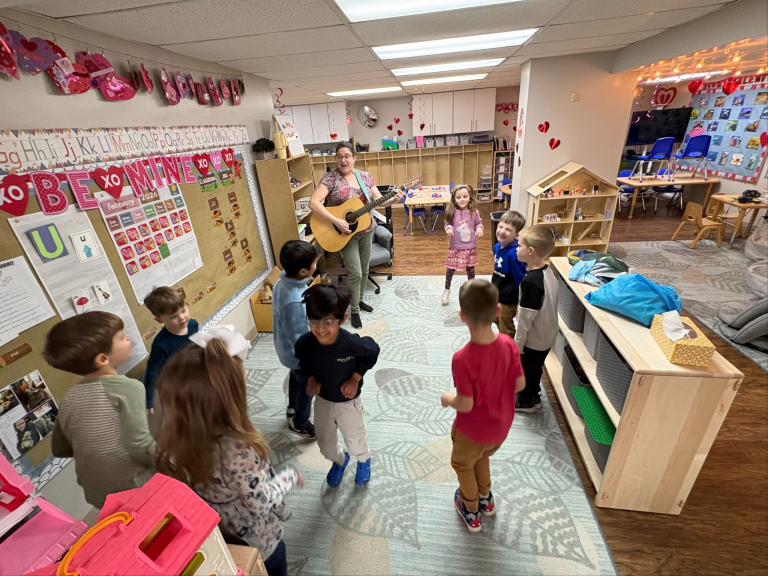
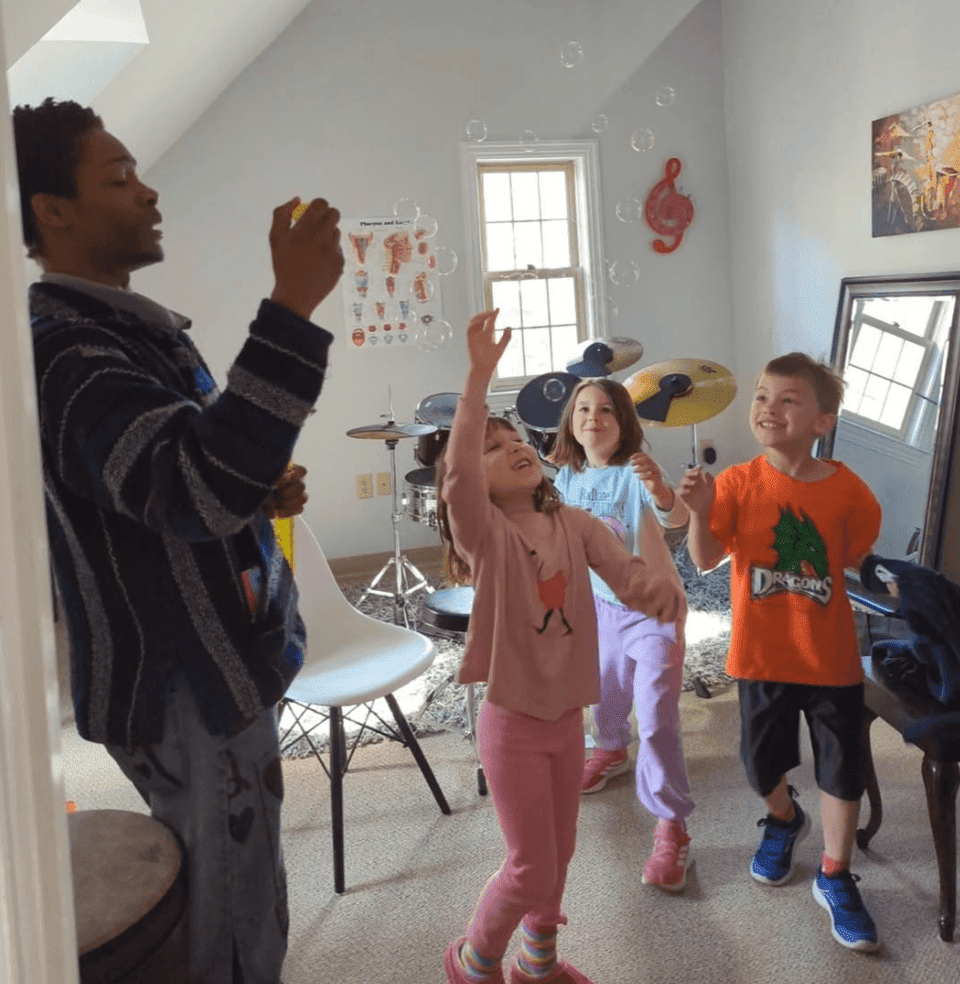
Mommy & Me — bonding, rhythm, movement, and early brain development
Early Foundations (Ages 4–6)
Jam Band — group music-making, confidence, and foundational skills
Core Musicianship (Ages 6+)
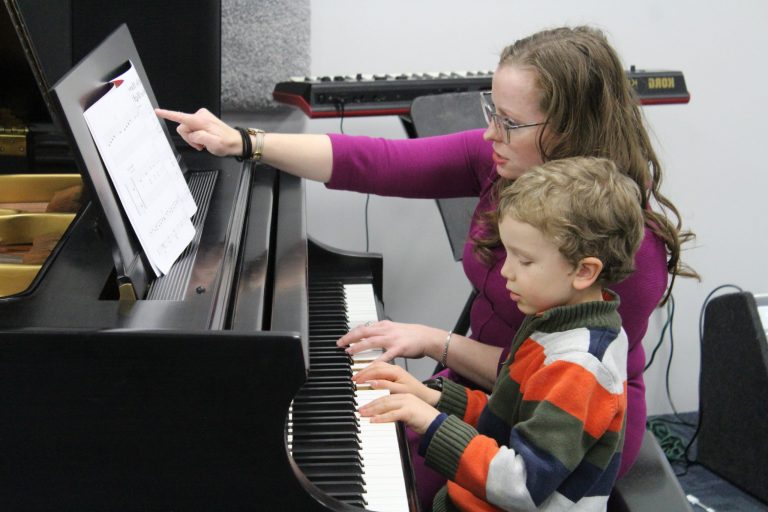
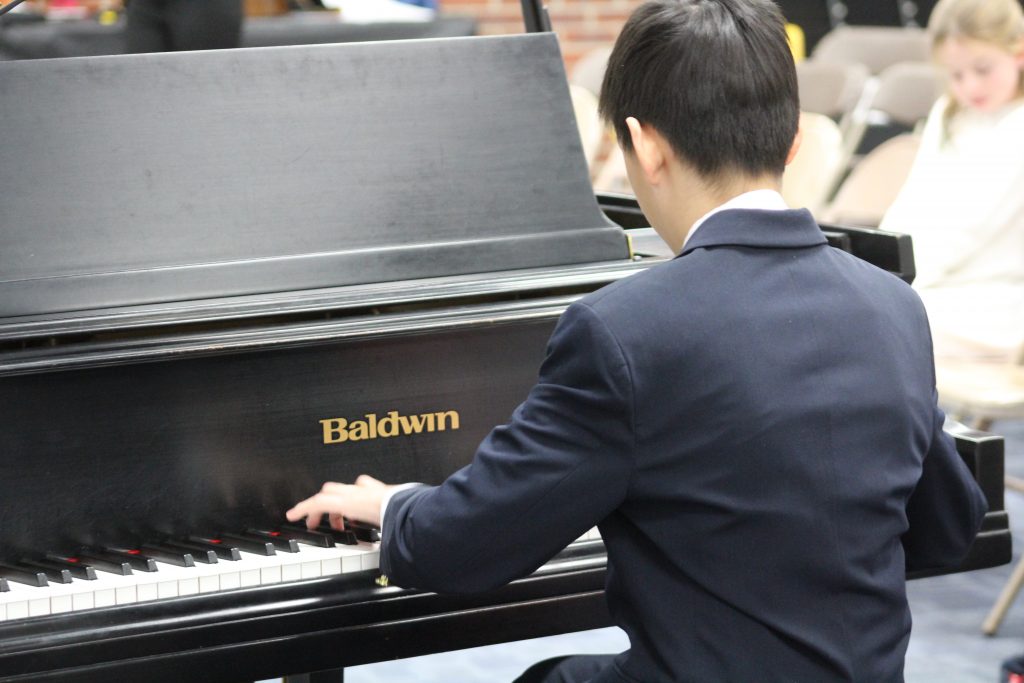
Piano Keys — accelerated group piano with theory, technique, and independence
Advanced Growth
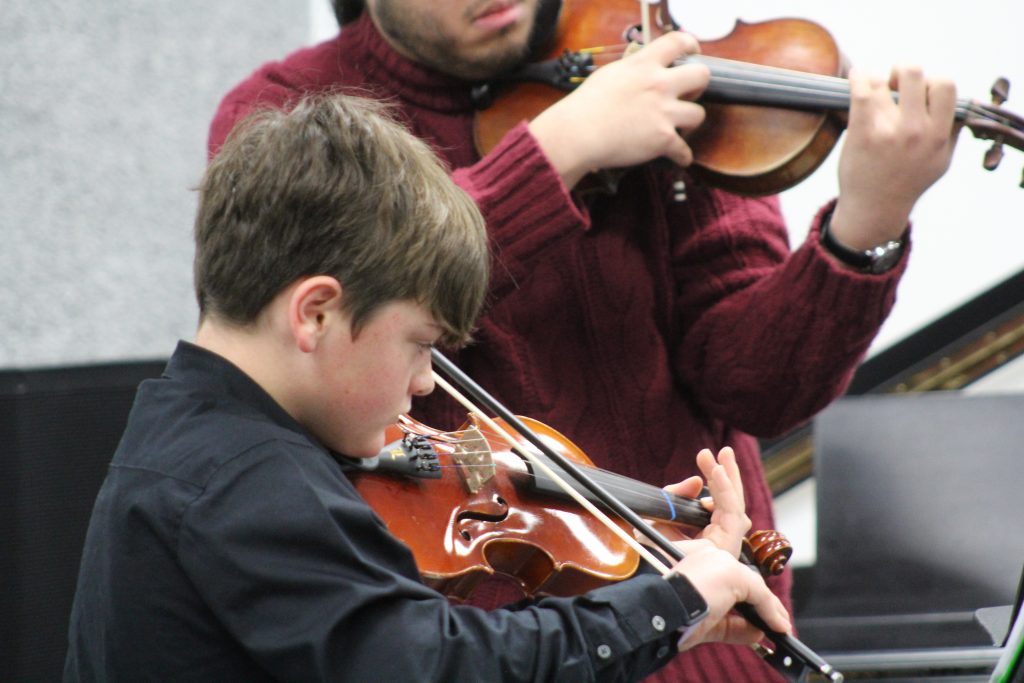
Private Lessons & Ensembles — deeper artistry, expression, and performance
Each stage prepares students for the next — so they don’t just “take lessons”… they grow into musicians.
One of the lessons Julie learned as the studio grew was that progress can be surprisingly difficult for families to see.
A teacher may notice that a child is reading music more fluently, keeping a steadier rhythm, listening more carefully, or becoming increasingly independent.
At home, a parent may simply hear a child practicing the same instrument in the next room.
That gap became important.
Chambers began looking for better ways to help students and families recognize the progress happening week by week.
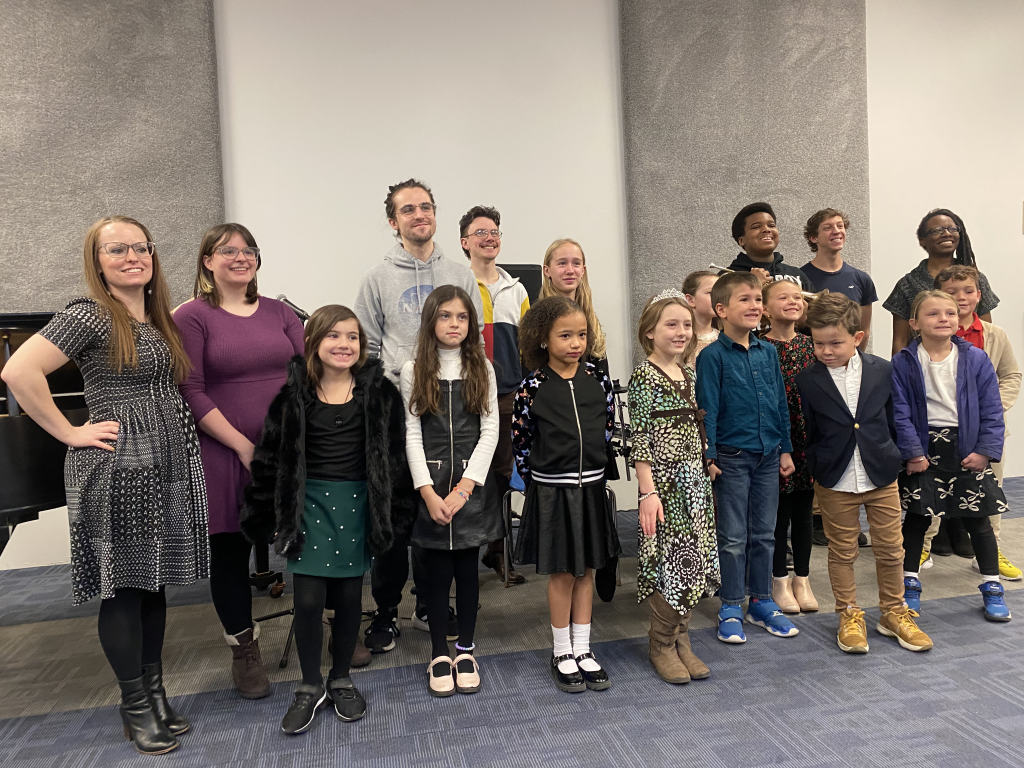
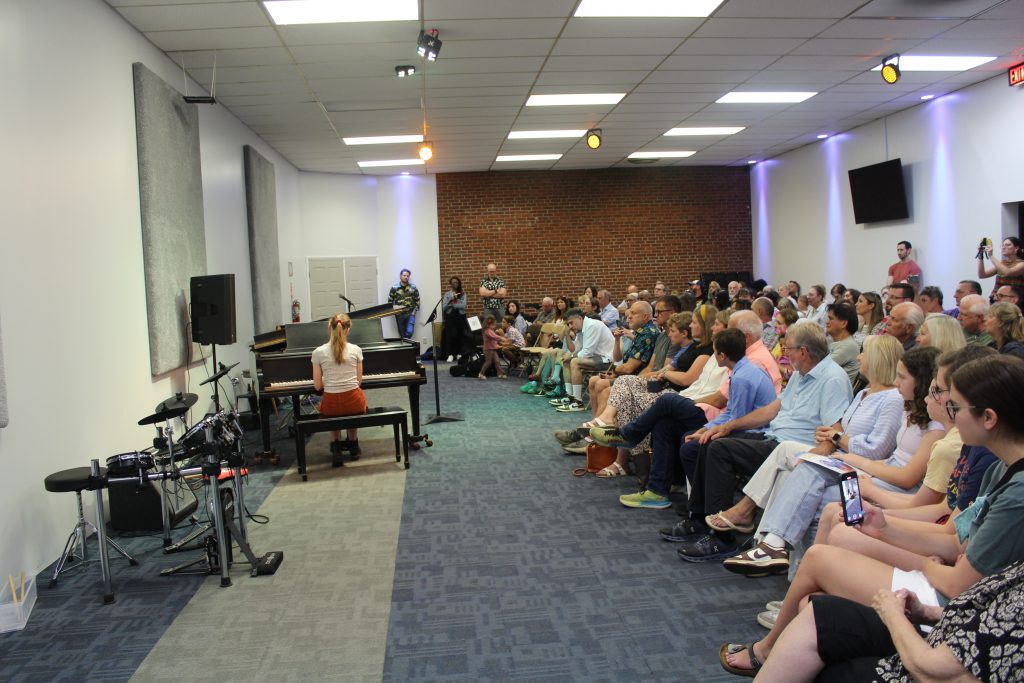
Today, that shows up in achievement pins, program milestones, student recognition, evaluations, performances, and events that give students something tangible to work toward.
As Chambers developed, Julie also became increasingly focused on what happens before and after a traditional private lesson.
For young children, jumping immediately into one-on-one instruction is not always the best first step.
So the studio developed a more intentional pathway.
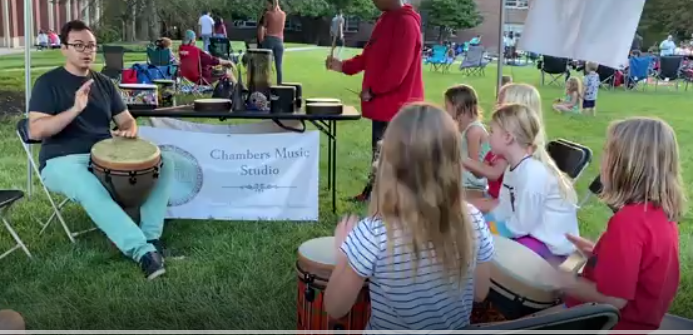
Very young students can begin with Music Time, where rhythm, singing, movement, listening, and early musicianship are introduced in an age-appropriate way.
As children grow, programs such as Jam Band and Piano Keys give them increasingly structured ways to build foundational skills.
From there, students can move into private instruction, ensembles, performances, and more advanced musical experiences.
The pathway has become one of the defining parts of Chambers.
It gives families a clearer answer to a question many parents have when their child first shows an interest in music:
Where do we start?
And just as importantly:
Where can this go?