Composer of the Month:
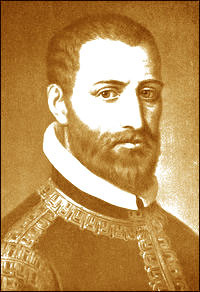
Giovanni Pierluigi da Palestrina
Giovanni Pierluigi da Palestrina
Each month, students have the chance to search for a hidden photo of our Composer of the Month somewhere around Chambers Music Studio.
If a student finds the hidden composer photo, they can tell the front desk and receive a special surprise.
This month, we are traveling much farther back in music history to meet one of the most influential composers of the Renaissance: Giovanni Pierluigi da Palestrina.
Palestrina became famous for beautiful choral music in which multiple vocal lines work together while still allowing the words of the music to remain clear. His style became so influential that musicians and composers continued studying it for centuries. (The Metropolitan Museum of Art)
For students taking music lessons at Chambers Music Studio, Palestrina gives us a chance to explore a completely different musical world and discover what musicians can learn from music written nearly 500 years ago.
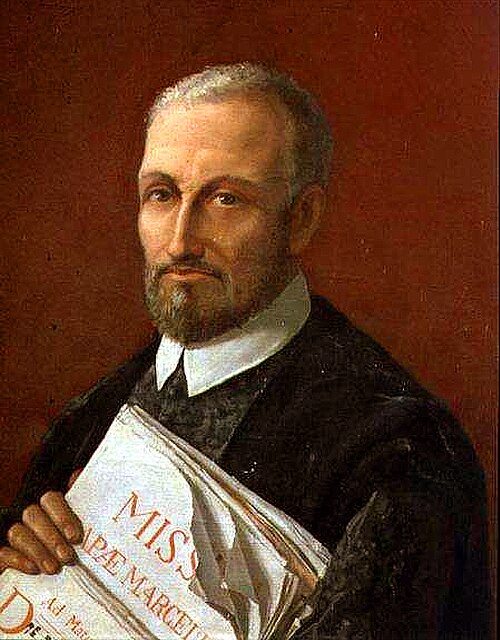
Who Was Giovanni Pierluigi da Palestrina?
Giovanni Pierluigi da Palestrina was an Italian composer who lived during the Renaissance.
He was born around 1525 or 1526, probably in the town of Palestrina near Rome, and died in Rome in 1594. He spent much of his career working with important churches and choirs in Rome, including musical organizations connected with St. Peter’s Basilica. (The Metropolitan Museum of Art)
His long name is easier to understand when you know that “da Palestrina” means “from Palestrina.”
Today, most people simply call him Palestrina.
Unlike many composers students may already know, Palestrina was not primarily famous for piano music, symphonies, or popular songs.
He was especially known for sacred vocal music, including Masses and motets written for choirs.
That means the human voice was one of his most important musical tools.
Students interested in singing can explore voice and other music lesson options at Chambers while learning how musicians across history have used the voice in very different ways.
What Was the Renaissance?
The Renaissance was a major period of European history that took place hundreds of years ago.
In music, Renaissance composers explored increasingly sophisticated ways of combining independent melodies.
Instead of one melody always being the center of attention, several voices could sing different musical lines at the same time.
This technique is called polyphony.
Palestrina became one of the composers most closely associated with Renaissance sacred polyphony. His music is known for clear melodic lines, smooth movement between notes, balance among the voices, and careful treatment of sacred texts. (The Metropolitan Museum of Art)
Imagine a choir where the soprano, alto, tenor, and bass parts are all singing something slightly different.
Each part has its own musical path, but together they create one larger sound.
That takes tremendous listening, cooperation, and musical awareness.
Those same skills are important for students today, especially when they participate in ensemble classes.
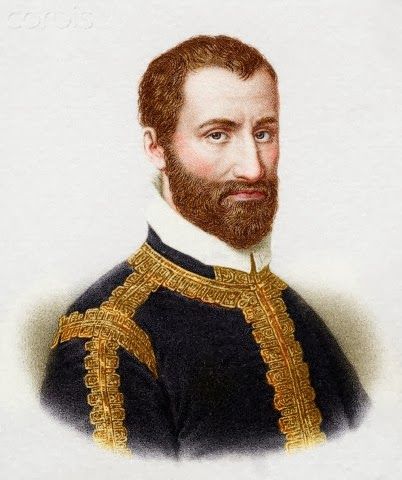
Why Is Palestrina Important?
Palestrina became one of the most influential composers of sacred music from the late Renaissance.
His music showed how composers could create rich and complicated vocal textures without allowing the individual parts to become chaotic.
One of the challenges of polyphonic music is that when many voices sing different words or rhythms at the same time, the text can become difficult to understand.
Palestrina became especially admired for creating music that could sound layered and beautiful while maintaining a sense of clarity and balance. (The Metropolitan Museum of Art)
His style eventually became an important model for students learning counterpoint, the art of combining independent musical lines.
That makes Palestrina interesting not just because his music is old.
He helped musicians understand how musical independence and teamwork can exist at the same time.
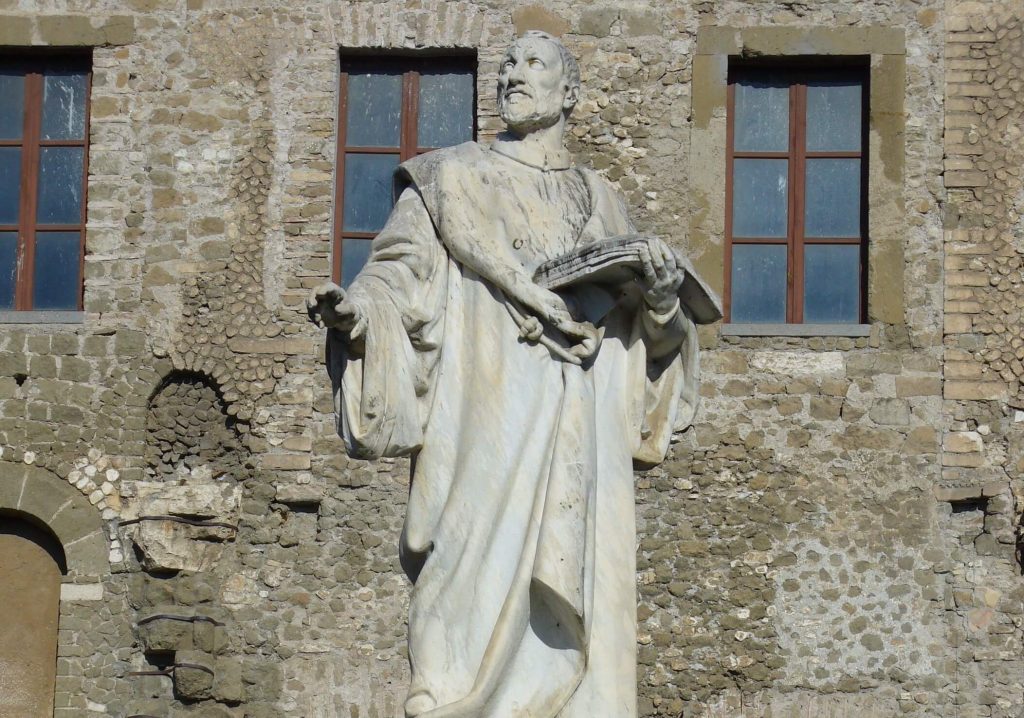
What Is Counterpoint?
Counterpoint sounds like a complicated word, but the basic idea is fairly simple.
Imagine two people having a musical conversation.
One voice begins a melody.
Another voice enters with a different melody.
A third may join later.
The parts are independent, but they are carefully designed to sound good together.
That is counterpoint.
Palestrina was especially skilled at creating these interweaving musical lines.
Students can hear how one vocal part may enter, another answers it, and eventually several melodies overlap.
It is almost like musical teamwork.
A student in Jam Band may experience an early version of this idea when they learn to listen to classmates while maintaining their own rhythm or musical part.
Older students participating in ensembles develop the same skill at a more advanced level.
You have to know your own part while still listening to everyone around you.
One of Palestrina’s Most Famous Works
One of Palestrina’s best-known compositions is the Missa Papae Marcelli, or Pope Marcellus Mass.
It is a six-voice Mass setting that became one of the works most strongly associated with Palestrina’s musical style. (EBSCO)
You may occasionally hear the story that Palestrina wrote this piece specifically to “save” polyphonic church music from being banned.
That story became famous, but music historians generally treat it as an oversimplification or legend rather than a straightforward historical fact. What is clear is that questions about text clarity and sacred music were important during Palestrina’s lifetime. (DOI)
That gives students another useful lesson:
Music history can contain stories that are repeated for generations, and part of studying history is learning to separate an interesting legend from what the evidence actually tells us.
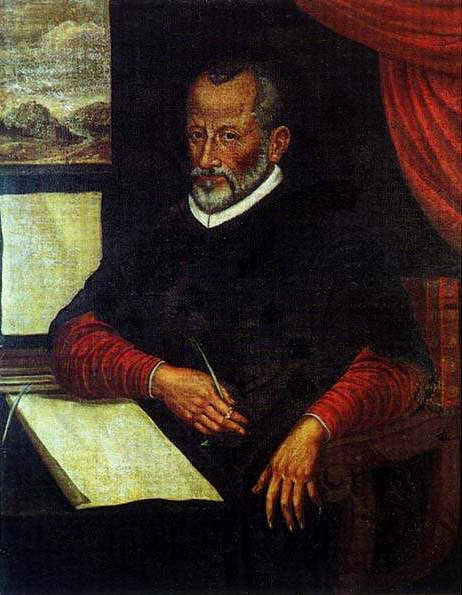
Music Built Around the Human Voice
One of the most beautiful things about Palestrina’s music is how naturally the vocal lines seem to move.
Rather than constantly making huge jumps between notes, melodies often move smoothly.
Individual voices weave in and out of one another.
Sometimes several voices move together.
At other moments, one section of the choir answers another.
This creates music that can feel calm, flowing, spacious, and balanced.
For voice students, Palestrina also provides a wonderful reminder that singers do not always need to be the soloist.
Sometimes the musical goal is to become part of something larger.
Students taking voice lessons can develop both individual technique and the listening skills needed to sing successfully with others.
Palestrina Shows Us That Listening Matters
When several musicians perform together, playing your own part correctly is only part of the job.
You also have to listen.
You need to notice:
- When another musician enters
- How loudly everyone else is performing
- Whether your rhythm matches the group
- Where the musical phrase is going
- When your part should stand out
- When your part should blend
- How all the individual sounds fit together
Palestrina’s music depends on that kind of awareness.
That is also why collaborative music-making is such an important part of music education.
Students in Piano Keys, Jam Band, ensembles, private lessons, and performances gradually learn that musicianship includes more than simply playing the correct notes.
It also includes listening and responding.
What Can Students Learn From Palestrina?
Palestrina lived hundreds of years ago, but students can still learn a great deal from the way he approached music.
His music reminds us:
- Listen to the musicians around you.
- Your part matters, even when you are not the main melody.
- Complicated music can still sound clear and organized.
- Good musicians balance independence with teamwork.
- The human voice is an incredibly powerful instrument.
- Music can communicate without needing flashy effects.
- Musical ideas can remain influential for centuries.
At Chambers Music Studio, students develop many of these same skills through private lessons and group programs.
A student may begin with Mommy & Me Music Time, develop group listening skills in Jam Band, strengthen musical independence through Piano Keys, and eventually participate in private lessons, ensembles, performances, and other opportunities.
Music continues building on what came before.
Palestrina’s music is a wonderful historical example of that same idea.
Try a Palestrina Listening Challenge
When you listen to Palestrina, do not worry about understanding everything immediately.
Instead, try listening for one thing at a time.
Ask your student:
- How many different voices can you hear?
- Do all the singers begin at the same time?
- Can you hear one voice enter after another?
- Does the music sound busy or peaceful?
- Can you follow one particular voice?
- When do the singers sound like one group?
- When do you hear separate musical lines?
- Does the music feel different from the music you normally hear?
You can even try following one voice until you lose it.
Then choose another.
That simple listening game helps students begin hearing how polyphonic music is constructed.
Find Palestrina at the Studio!
This month, keep your eyes open around Chambers Music Studio.
Somewhere in the studio, there is a hidden photo of Giovanni Pierluigi da Palestrina.
If your student finds him, they can tell the front desk and receive a piece of candy or a sticker.
We hope our Composer of the Month scavenger hunt gives students another reason to become curious about composers, musicians, styles, and musical traditions from around the world.
Students from Worthington, Bexley, Upper Arlington, Gahanna, New Albany, Dublin, Westerville, and communities throughout Columbus may be learning very different instruments and styles, but exploring music history helps everyone understand the bigger musical world they are joining.
Happy searching, and happy listening!
Listen at Home!
Want to hear what Renaissance polyphony actually sounds like?
We put together a listening resource so students and families can explore Palestrina’s music at home.
As you listen together, ask your student:
- Can you hear the different vocal parts?
- Which voice do you notice first?
- When does the music become louder or softer?
- Does it feel peaceful, powerful, mysterious, or something else?
- Can you hear moments when several voices come together?
- How is this different from a song you might hear on the radio today?
Music history becomes much more meaningful when students can hear the music instead of only reading about it.
Continue Your Musical Journey at Chambers
Learning about composers is only one part of Life at Chambers.
Students also have opportunities to sing, play, create, collaborate, perform, and develop their own musical voices.
Explore:
Frequently Asked Questions
Composer of the Month is a fun way for Chambers students to discover important musicians and composers from different periods and styles of music history. Each month, students can learn about the featured musician and search the studio for a hidden composer photo.
Tell the front desk! Students who find the hidden Composer of the Month photo can receive a small surprise, such as a piece of candy or a sticker.
Start with the Chambers Music Studio lesson assessment and Get Started process. We will learn more about the student’s age, musical interests, experience, learning style, schedule, and goals before helping match them with the right program, teacher, location, and lesson time.
Music lesson pricing can depend on several factors, including the student’s age, instrument, experience, lesson format, and selected plan. Complete our lesson assessment so our team can recommend the option that best fits you or your student.
Not at all. Students can study piano, guitar, drums, voice, strings, popular music, songwriting, or many other musical styles and still benefit from learning about music history. Exploring composers from different periods helps students develop stronger listening skills and understand how musical ideas have changed over time.
Call to Action
Is your student ready to discover their own place in music history?
At Chambers Music Studio, students do more than learn songs. They explore music, develop skills, perform with others, discover composers, and build confidence as musicians.
Get started with Chambers Music Studio to find the program, teacher, location, and lesson time that best fits your student.
Call or Text: (614) 525-0254
Email: info@chambersmusicstudio.com
At Chambers Music Studio, our mission is Saving the World Through Music Education. Through lessons, classes, performances, music history, community experiences, and opportunities to create, we help students build confidence, creativity, leadership, and a lifelong love of music.