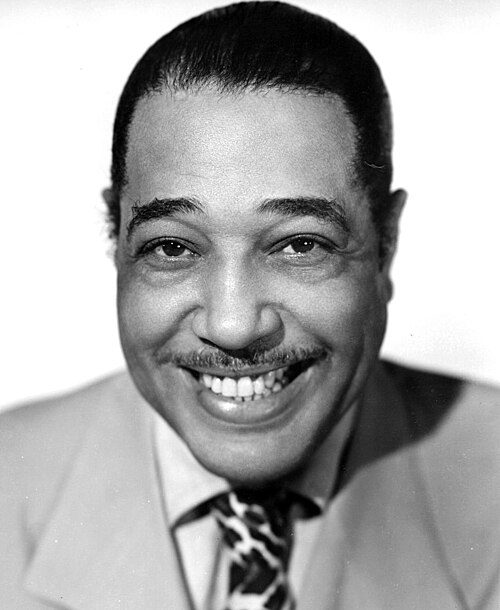
Each month, students will have the chance to search for a hidden photo of our Composer of the Month somewhere around Chambers. If a student finds the hidden composer photo, they can tell the front desk and receive a special surprise.
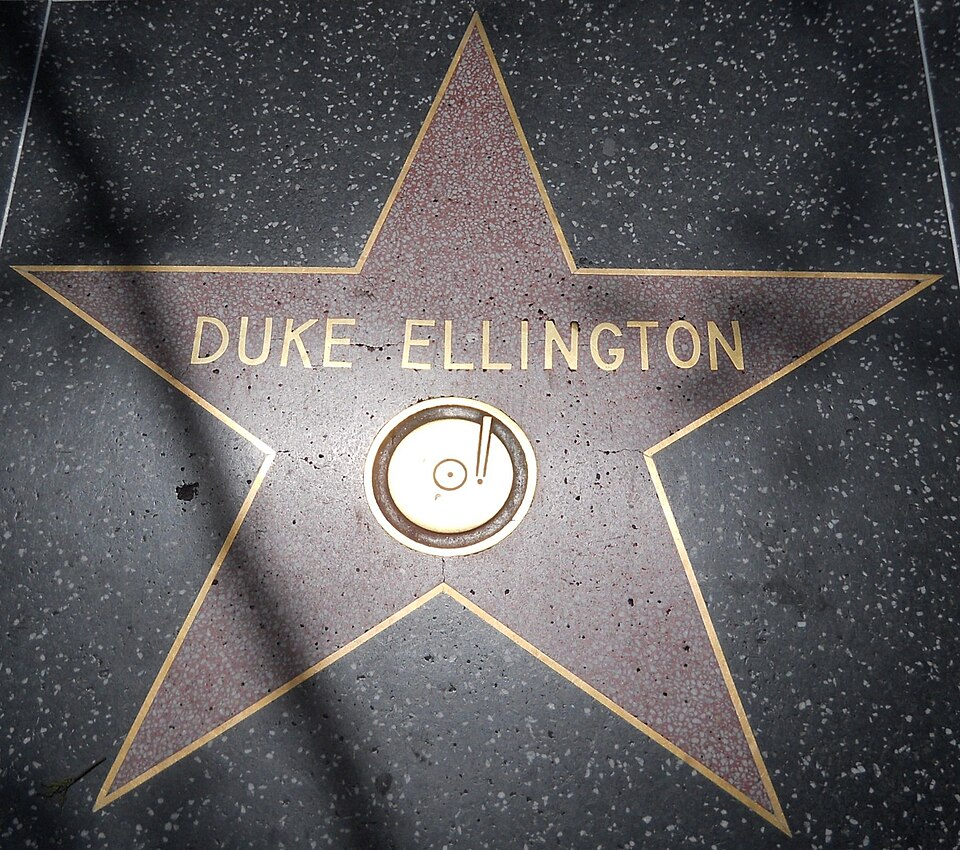
This month’s featured composer is one of the most important figures in American music history: Duke Ellington.
Who Was Duke Ellington?
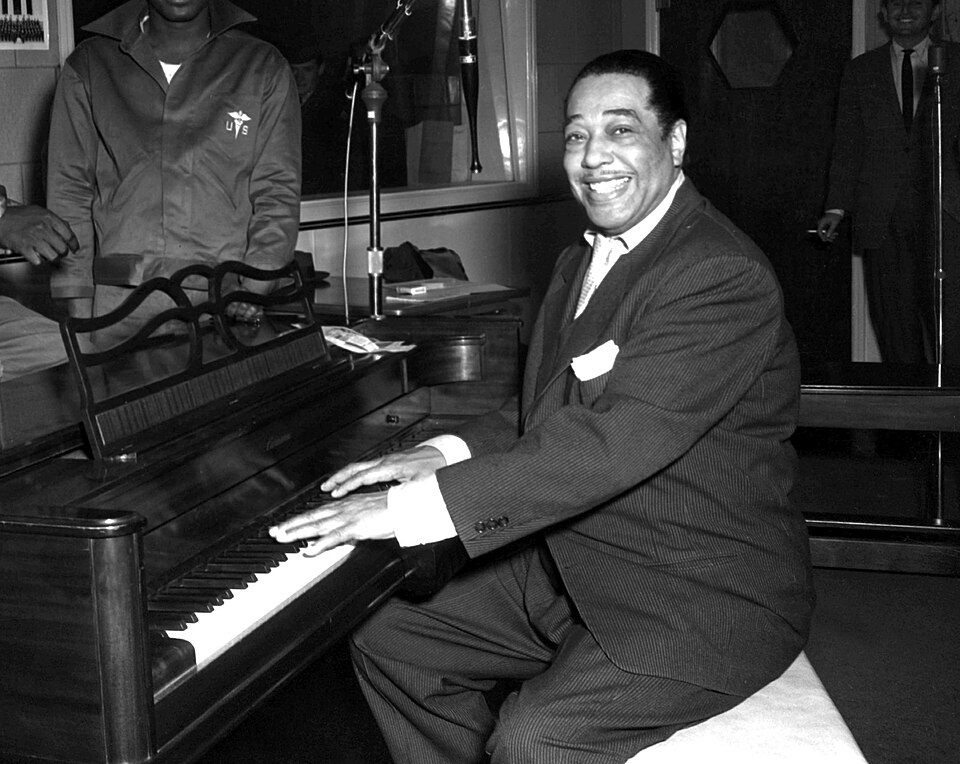
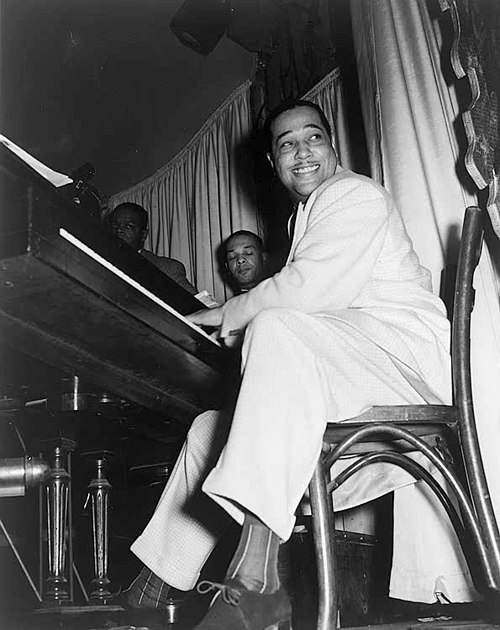
Duke Ellington was a composer, pianist, and bandleader who helped shape the sound of jazz.
He was born in Washington, D.C. in 1899, and his real name was Edward Kennedy Ellington. The nickname “Duke” came from his classy style and confident personality. Even as a young person, he carried himself with elegance, and the name stayed with him for life.
Duke Ellington became famous for leading one of the most influential jazz orchestras in history. His music was full of color, rhythm, creativity, and personality. He did not just write songs — he created entire musical worlds.
Why Is Duke Ellington Important?
Duke Ellington helped show the world that jazz was serious, creative, and deeply expressive music.
At a time when many people did not fully respect jazz as an art form, Ellington proved that jazz could be sophisticated, powerful, emotional, and beautifully composed.
He wrote thousands of pieces during his lifetime, including famous works like:
“It Don’t Mean a Thing (If It Ain’t Got That Swing)”
“Take the ‘A’ Train”
“Mood Indigo”
“Sophisticated Lady”
“In a Sentimental Mood”
His music brought together strong rhythms, rich harmonies, memorable melodies, and the unique sounds of the musicians in his band.
Duke Ellington Wrote for Real People
One of the most interesting things about Duke Ellington is that he often wrote music specifically for the musicians in his orchestra.
He knew their sounds, personalities, strengths, and styles. Instead of writing generic music that anyone could play the same way, he created parts that let each musician shine.
That is a wonderful lesson for young musicians: music is not just notes on a page. Music is personality, listening, teamwork, and expression.
What Can Students Learn from Duke Ellington?
Duke Ellington’s music teaches us that creativity matters.
He was always experimenting, always listening, and always finding new ways to express ideas through sound.
Students can learn from Duke Ellington by remembering:
Music can tell a story.
Every musician has their own voice.
Playing with others helps us grow.
Rhythm and style matter.
Creativity is just as important as technique.
Music can bring people together.
At Chambers, we love helping students discover not only how to play music, but also how to listen, imagine, collaborate, and express themselves. Duke Ellington is a perfect example of what can happen when skill and creativity grow together.
Somewhere in the studio, there is a hidden photo of Duke Ellington. If your student finds it, they can tell the front desk and receive a piece of candy or a sticker.
We hope this monthly scavenger hunt helps students learn about important composers, musicians, and musical traditions in a fun and memorable way.