Musical Life Podcast Episode 28: Music as Your Travel Companion
A Time for Relaxing & Learning!
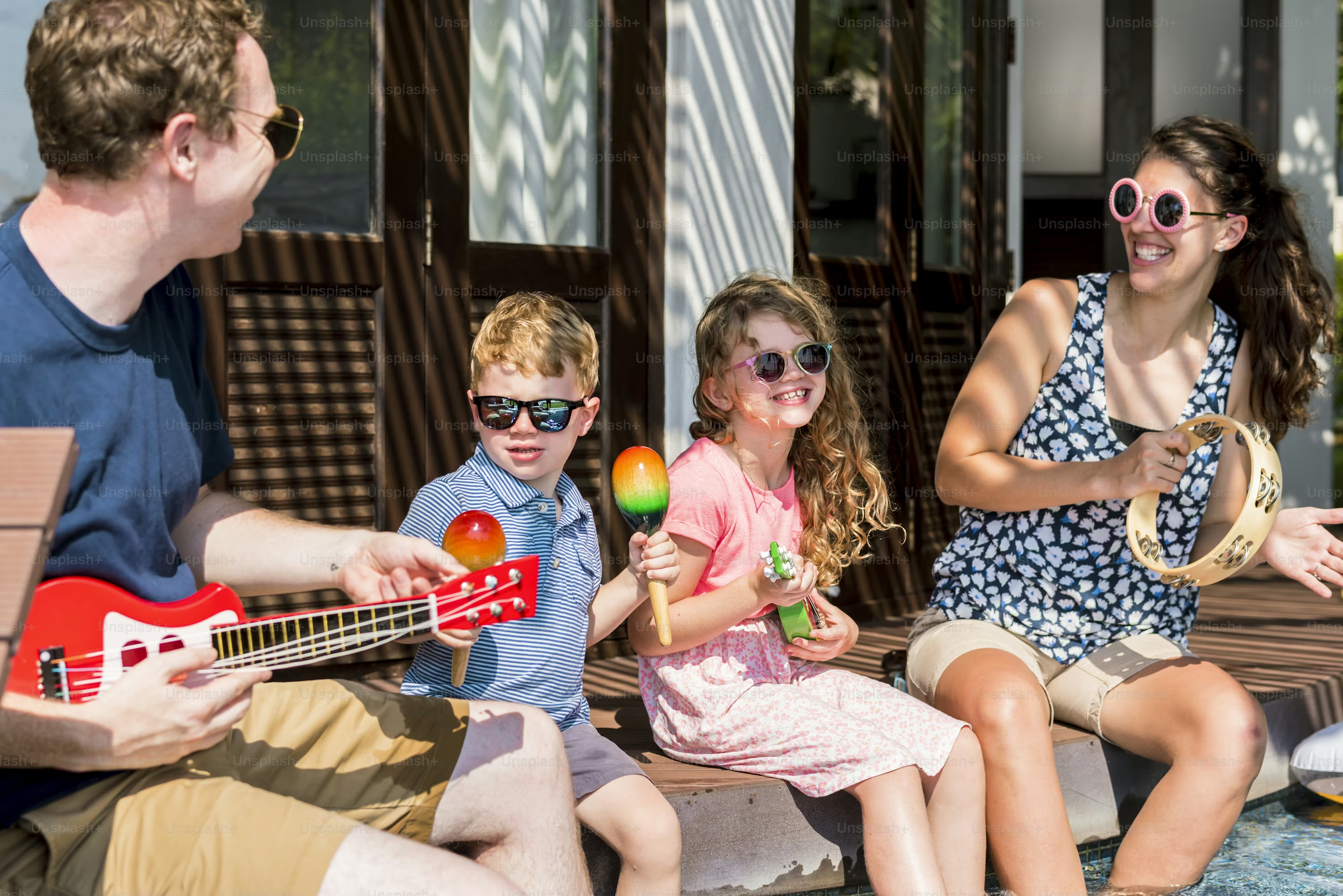
As summer approaches, many families naturally think about pausing structured activities like music lessons. You might hear phrases like, “We’ll start lessons again in the fall,” or “Practice just won’t happen”. However, what if music is actually one of the best things you can bring on vacation? In the latest episode of the Musical Life Podcast, Julie Chambers, founder of Chambers Music Studio in Columbus, Ohio, explains why staying connected to music can make your travels even better.
Helping the Brain and Body Adjust
Traveling across time zones often leads to jet lag and disrupted circadian rhythms. This can leave you feeling foggy, emotionally drained, or tired at the wrong times of the day. Fortunately, music can help counteract these effects. Neuroscience research indicates that music activates multiple areas of the brain at once, including those related to movement, timing, memory, and emotion. Even a brief practice session acts as a neural wake-up call, increasing dopamine to help with alertness and motivation.
Furthermore, practicing at roughly the same time each day creates a consistent rhythm for your body. Studies suggest music can even influence melatonin production, which helps regulate sleep cycles and allows your body to adjust faster to new environments.
While vacations are exciting, they can also be surprisingly stressful due to new environments, crowds, long days, missed sleep, and overstimulation. For children especially, this combination can be overwhelming. Music serves as one of our most powerful tools for emotional regulation. Playing or listening to music reduces cortisol, the body’s main stress hormone. It also activates the parasympathetic nervous system, which helps the body relax. Sitting down to play a familiar scale or simple song can create a moment of calm and stability in an otherwise chaotic day.
Screens often become the default entertainment during long car rides, airport waits, and hotel downtime. Music offers a highly engaging alternative. Instead of passive entertainment, music engages:
You do not necessarily need a full instrument setup to bring music on vacation. Here are a few easy ways to stay musically engaged:
Pack a foldable keyboard.
Bring along a ukulele.
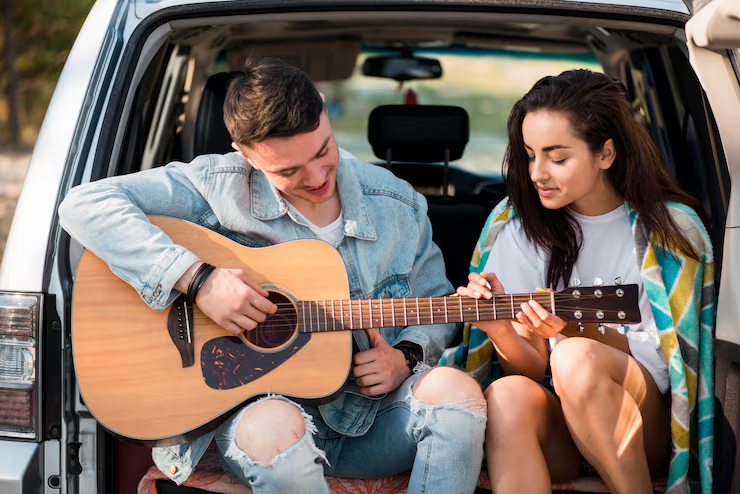
Travel with a travel guitar.
Practice vocal warm-ups.
Do solfège exercises.
Play rhythm games.
Practice clapping patterns.
Engage in mental practice by listening to a recording and imagining playing it.
Technology also makes it incredibly easy to stay connected to teachers through online lessons. Students can join lessons from a grandparent’s house, a hotel, an Airbnb, or even the beach. Keeping lessons consistent helps students maintain their skills and avoid the “re-learning” curve when they return home.
Staying Connected to Your Musical Identity
At Chambers Music Studio, the philosophy centers around “life at Chambers”. Music is not just an activity students do once a week; it becomes part of who they are. By staying connected to music even during busy seasons or vacations, students begin to see themselves as musicians and carry that identity with them wherever they go. So, instead of leaving music behind this year, bring it with you as your travel companion.