When I first became a music educator, I believed what almost every parent believes: private lessons are the gold standard. One teacher, one student—it feels like the most personalized way to learn.
But over the years, I kept noticing something:
Students were learning songs, but foundational skills were missing.
Reading was inconsistent.
Technique wasn’t sticking.
Ear training was hit-or-miss.
And ensemble skills—playing with or accompanying others—were almost nonexistent.
On top of that, modern life makes practicing at home incredibly difficult. Kids are busy, parents are stretched thin, and beginners need so much guidance that practice rarely happens the way it needs to.
Private lesson time flies by so quickly that teachers spend most of it just getting through a piece, leaving almost no room for the essential skills underneath the music.
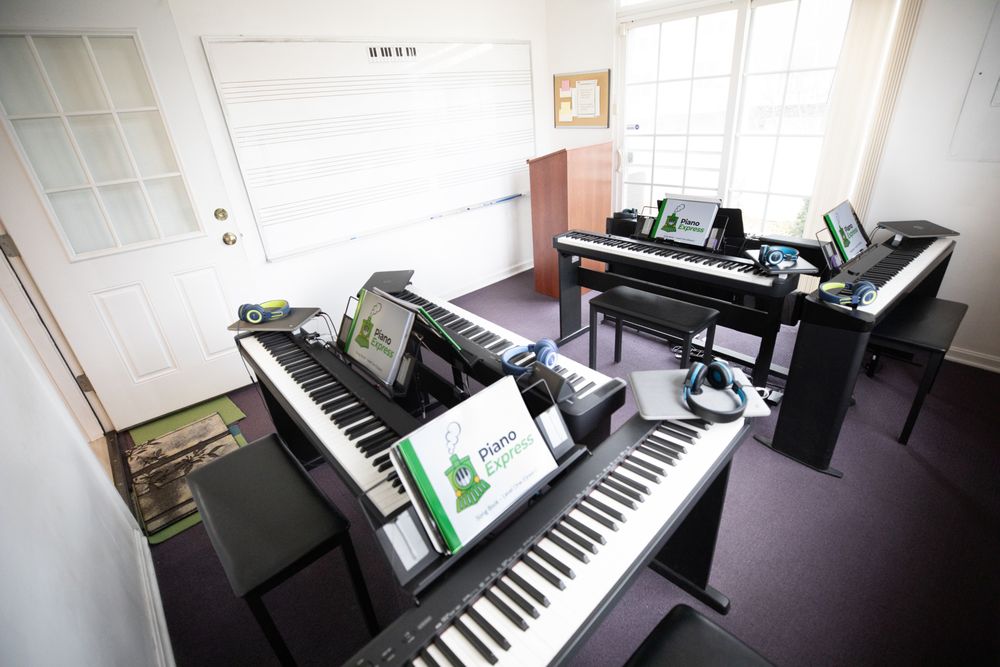
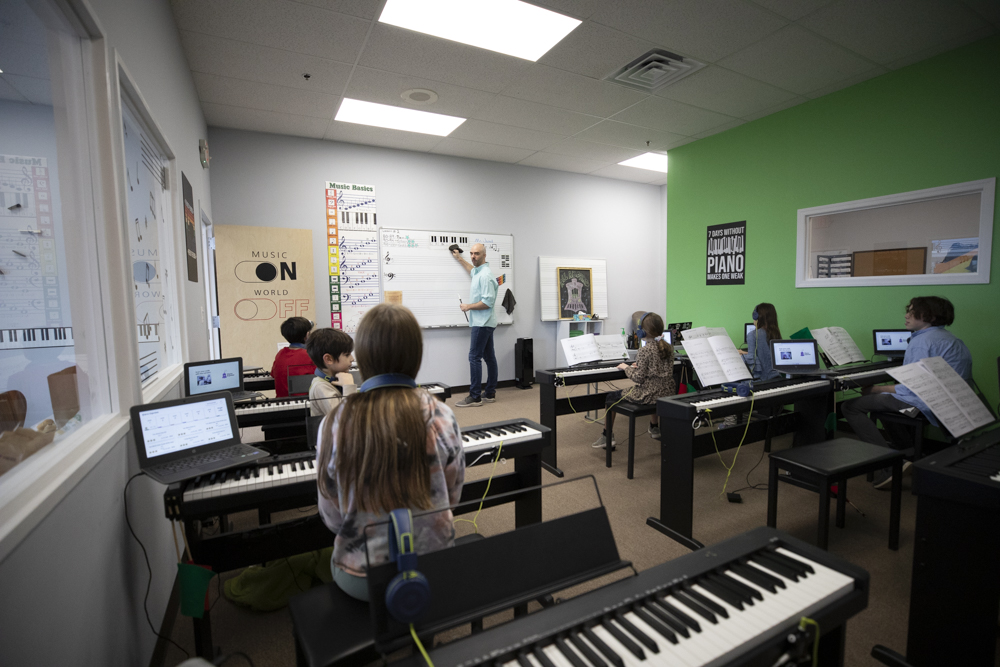
I wanted to build something better. So I researched learning systems all over the world and found a curriculum that directly solves these problems. What we created from that research is our Piano Keys program at Chambers Music Studio.
Why Private Lessons Don’t Build All the Foundations
1. Lesson time disappears into song coaching
Most of the time is spent helping the student through last week’s piece, troubleshooting, and managing attention. This leaves little room for:
Technique
Reading
Ear training
Rhythm
Theory
Sight reading
Students learn songs but not necessarily skills.
2. Slow progress happens when practice isn’t consistent
Modern life makes regular practice difficult.
And when beginners don’t practice, progress slows dramatically. Private lessons depend heavily on strong home practice, which is not realistic for many families.
3. Pianists rarely learn ensemble skills in private lessons
This is one of the biggest hidden challenges in piano education:
Pianists become excellent solo players
But they don’t learn how to play with others
They struggle with accompanying singers, groups, or instruments
They lack the listening and synchronizing skills to collaborate
Ensemble skills should begin on day one, not years later.
Private lessons are ideal once a student already has:
Reading fluency
Solid technique
Independent practice skills
Ensemble awareness
Confidence and consistency
Piano Keys builds these skills first, so private lessons become far more effective and enjoyable.
What We See Every Day in Piano Keys
Students:
Progress faster
Understand what they’re doing
Build reading fluency
Gain stronger technique
Develop ensemble ability
Require less home practice
Build real musical independence
Discovery method
And the biggest measurable difference: Piano Keys students typically master 1–4 songs every week, while private lesson students often master only 1–2 songs per month.
This level of progress builds excitement, momentum, and long-term success.
The Education I Wish I Had
Piano Keys is the kind of beginning I wish I had as a young pianist. A beginning that:
Solves the practice struggle
Builds ensemble skills immediately
Strengthens reading, rhythm, technique, and ear training
Tailors learning to each student
Allows natural pacing and mastery
Makes musicianship joyful and accessible
Private lessons are wonderful—for later. Piano Keys provides the foundation that makes private lessons truly shine.